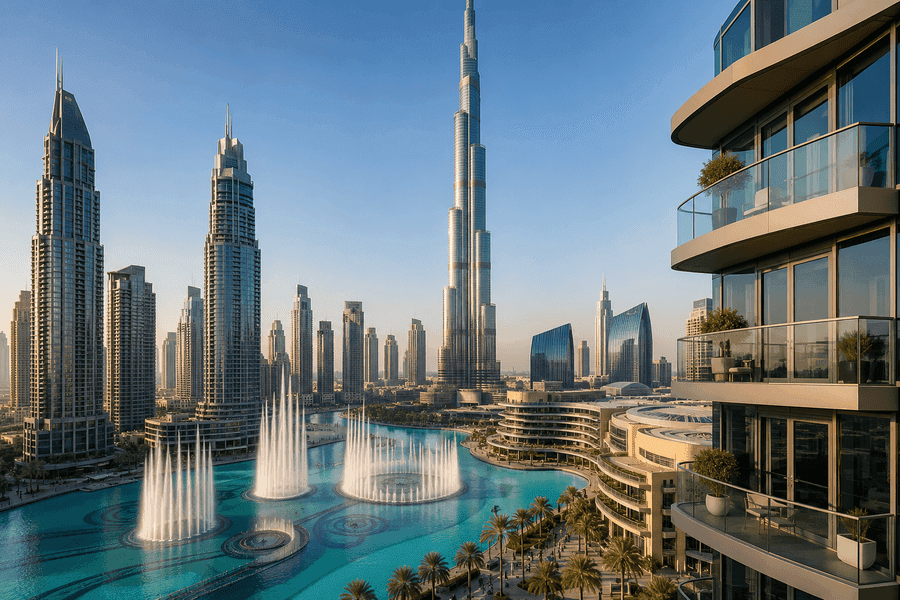


Residential vs. Commercial Properties in Dubai: Choosing the Right Asset
Dubai’s real estate market offers investors a wide range of opportunities. Among the most important decisions any investor must make is whether to invest in residential property or commercial real estate.
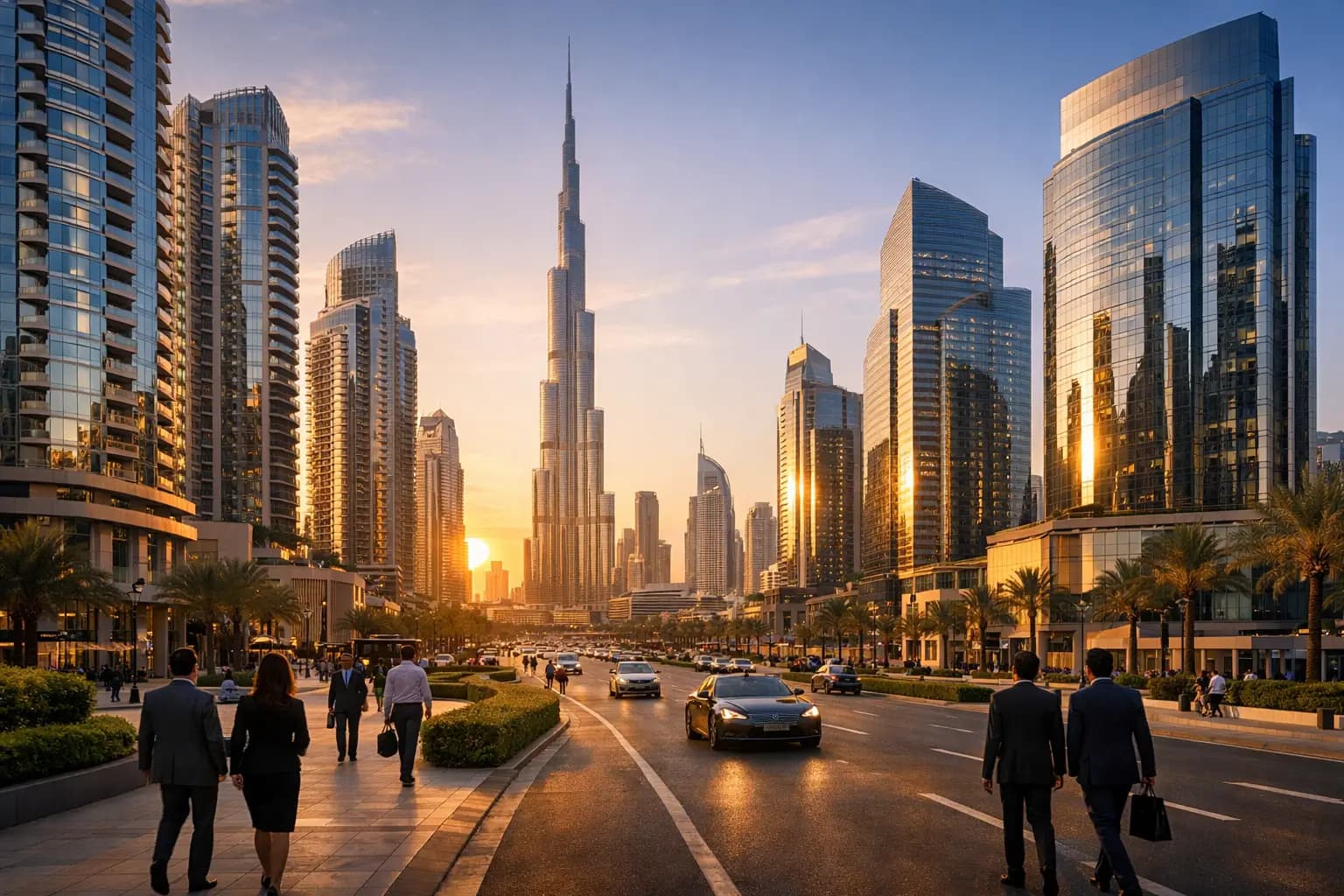
Dubai’s real estate market offers investors a wide range of opportunities. Among the most important decisions any investor must make is whether to invest in residential property or commercial real estate.
Both asset classes play a major role in the city’s investment landscape, but they operate under different market dynamics, yield structures, and risk profiles. Residential properties such as apartments, villas, and townhouses are typically driven by population growth and housing demand, while commercial assets including offices, retail units, and warehouses are tied closely to business expansion and economic activity.
Choosing the right investment depends on several factors including capital availability, risk tolerance, income expectations, and long term investment strategy. Understanding the differences between residential and commercial real estate in Dubai can help investors build a portfolio that aligns with their financial goals.
The Strength of Dubai’s Residential Property Market
Residential real estate has historically been one of the most accessible entry points for property investors in Dubai. The city’s population growth, strong expatriate workforce, and long term residency visa programs have created sustained demand for housing.
Popular residential districts such as Downtown Dubai, Dubai Marina, Jumeirah Village Circle, and Dubai Hills Estate continue to attract tenants and buyers from around the world.
Several factors support the stability of the residential property market.
Key demand drivers include:
• A large expatriate population seeking rental housing
• Long term residency visa initiatives such as the Golden Visa
• Continuous population growth across Dubai
• A wide range of housing options at different price points
Because of these factors, residential property typically maintains strong occupancy levels across the city.
Rental Yields and Liquidity in Residential Real Estate
Residential properties are generally considered more liquid compared to commercial assets. Apartments and villas tend to attract a broader range of buyers and investors, making resale transactions easier in most market cycles.
Another advantage is the relatively lower entry cost. Investors can purchase residential properties at a wide variety of price points depending on the location and project.
Typical characteristics of residential investments include:
• Lower minimum investment capital
• Larger pool of potential buyers when selling
• Strong rental demand from residents
• More financing options through banks
However, rental yields for residential properties are usually lower than commercial assets. In many areas of Dubai, residential rental yields typically range between 5 percent and 7 percent annually depending on location, building quality, and market conditions.
While these returns remain attractive compared to many global cities, some investors seek higher income potential through commercial real estate.
The Appeal of Commercial Property Investments
Commercial real estate offers a different investment profile. This asset class includes office spaces, retail units, logistics facilities, and warehouses located across Dubai’s business districts.
Major commercial hubs include:
• Business Bay
• DIFC
• Sheikh Zayed Road
• Dubai Silicon Oasis
• Jebel Ali Free Zone
These locations attract multinational companies, regional headquarters, and growing startups that require office or operational space.
Commercial investments typically appeal to investors who prioritize higher rental yields and longer lease stability.
Higher Rental Yields in Commercial Real Estate
One of the most attractive aspects of commercial property in Dubai is the potential for higher rental returns.
Depending on the property type and location, commercial assets can generate rental yields ranging between 7 percent and 12 percent or even higher in certain sectors.
This increased yield potential is largely due to the structure of commercial leases and the nature of corporate tenants.
Many commercial leases span several years, often ranging from three to ten years or longer. These longer agreements provide investors with predictable rental income over extended periods.
Additional advantages include:
• Multi year lease agreements
• Corporate tenants with stable financial capacity
• Lower tenant turnover compared to residential units
• Potential for higher rent escalations over time
Reduced Maintenance Responsibilities for Investors
Another key benefit of commercial property investment is the allocation of operating costs.
In many commercial lease agreements, tenants are responsible for various operational expenses such as maintenance, service charges, and interior modifications.
This arrangement can significantly improve the investor’s net rental yield.
For example, corporate tenants frequently invest in customizing office spaces according to their operational needs. These improvements often remain part of the property, increasing its value for future tenants.
Risks and Considerations in Commercial Investments
While commercial property offers strong income potential, it also comes with a different risk profile compared to residential real estate.
The most significant factor is the higher capital requirement. Commercial properties often require larger upfront investment compared to residential units.
Other considerations include:
• Greater sensitivity to economic cycles
• Longer vacancy periods if tenants leave
• Limited pool of potential buyers during resale
• More specialized market knowledge required
For example, during periods of economic slowdown, companies may reduce office space or delay expansion plans, which can impact demand for commercial properties.
Investors entering the commercial sector must therefore evaluate tenant quality, location, and long term business demand.
How Dubai Supports Both Investment Segments
Dubai’s real estate ecosystem supports both residential and commercial investment strategies.
The city’s population growth and strong migration trends sustain residential demand, while its position as a global business hub drives the need for office and commercial space.
Government initiatives also play a significant role in supporting both sectors.
Key policies include:
• Long term residency visas for investors and professionals
• Free zone business environments attracting international companies
• Continuous infrastructure expansion across the city
• Pro business regulatory frameworks
These initiatives help ensure that both residential and commercial real estate remain attractive investment options.
Which Property Type Is Right for You?
Choosing between residential and commercial property ultimately depends on an investor’s financial objectives.
Residential property may be more suitable for investors seeking:
• Lower entry capital
• Easier resale opportunities
• Stable tenant demand from residents
• Diversification through multiple units
Commercial property may appeal more to investors focused on:
• Higher rental yields
• Long term lease stability
• Reduced maintenance responsibilities
• Corporate tenant relationships
Some experienced investors choose to diversify by holding both asset types within their portfolio. This strategy allows them to balance liquidity, yield, and risk.
The Role of Dubai as a Global Investment Hub
Dubai continues to attract investors from around the world due to its tax efficient environment, high quality infrastructure, and strategic geographic location.
As both residential and commercial real estate sectors continue to grow, investors are increasingly evaluating which asset class best aligns with their long term strategy.
Residential properties offer accessibility and consistent demand, while commercial assets provide stronger income potential and long lease structures.
Understanding these differences allows investors to make informed decisions in one of the world’s most dynamic property markets.
Conclusion
The choice between residential and commercial property in Dubai is not about which asset is universally better. Instead, it depends on the investor’s financial goals, capital availability, and tolerance for risk.
Residential real estate provides liquidity, affordability, and consistent rental demand driven by Dubai’s growing population. Commercial property offers higher yields, longer lease structures, and stronger income stability through corporate tenants.
Both sectors remain integral to Dubai’s real estate ecosystem.
For investors looking to build a sustainable property portfolio in a global business hub, understanding the strengths of each asset class is the first step toward making the right investment decision.
- commercial