









 50 / 50 Payment Plan
fäm Properties · Dubai
The Life You Want
Has An Address
Find the home you want, or the investment that gets you there, with fäm.
900+AgentsAcross every community we cover
17YearsSelling Dubai property since 2009
25OfficesAcross Dubai

Developers
Trusted partner of Dubai's biggest developers
We sell direct from the master developers, so launch prices and payment plans reach you first.
Most trending projects in Dubai
View all projects50 / 50 Payment Plan 70 / 30 Payment Plan
.jpg&w=3840&q=75) 50 / 50 Payment Plan
50 / 50 Payment Plan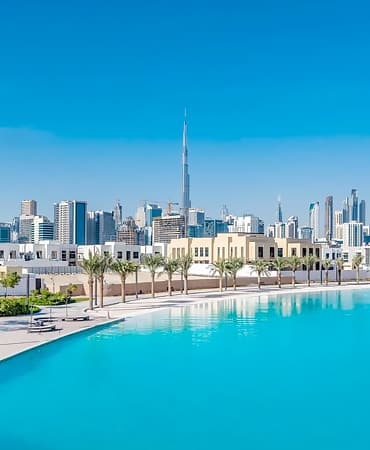 50 / 50 Payment Plan
 65 / 35 Payment Plan
Off plan
The latest launches in Dubai
Newly released projects from the developers building the city, with the payment plan and handover quarter stated up front.
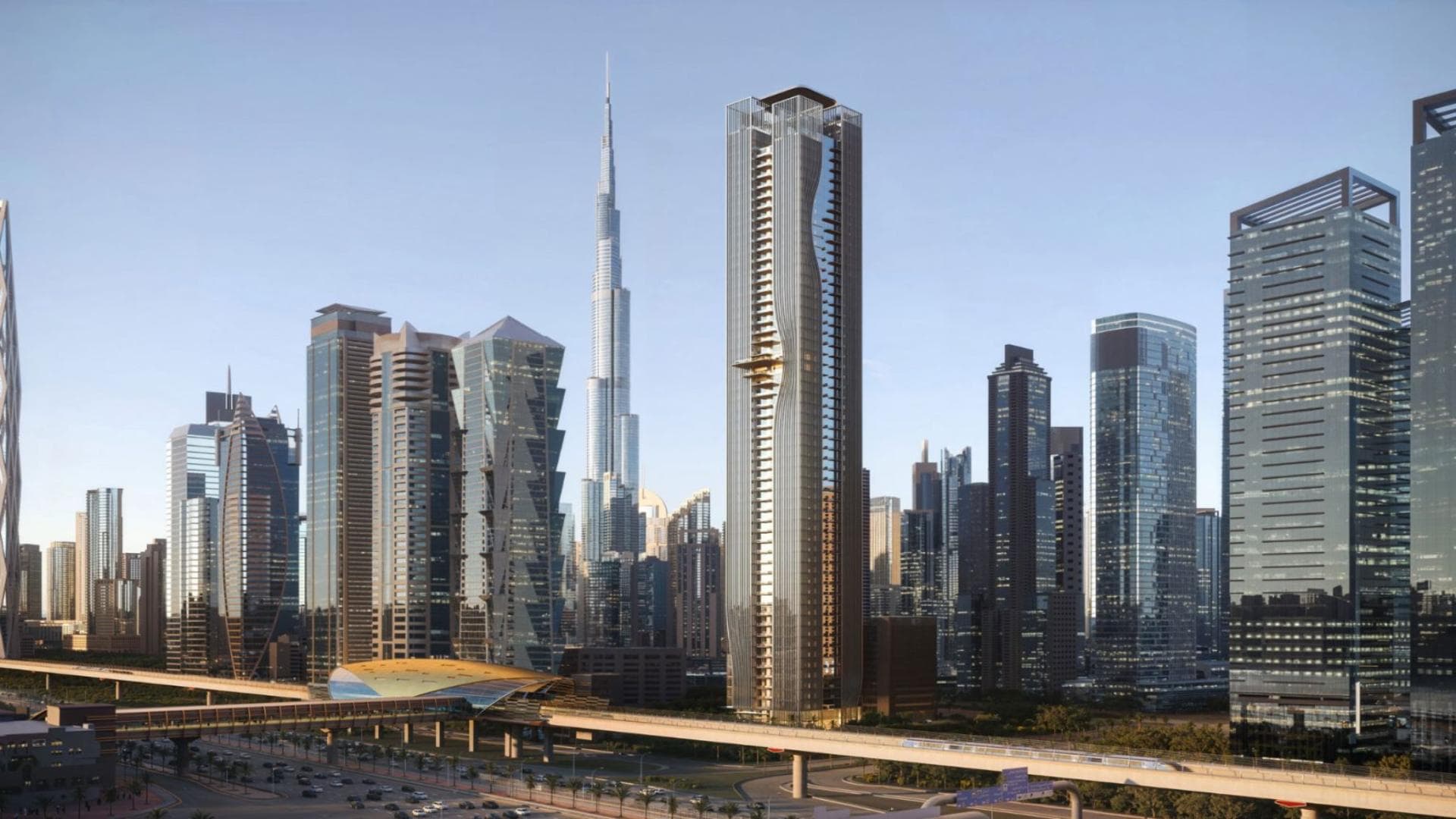
20 / 50 / 30 Payment Plan

10 / 70 / 20 Payment Plan
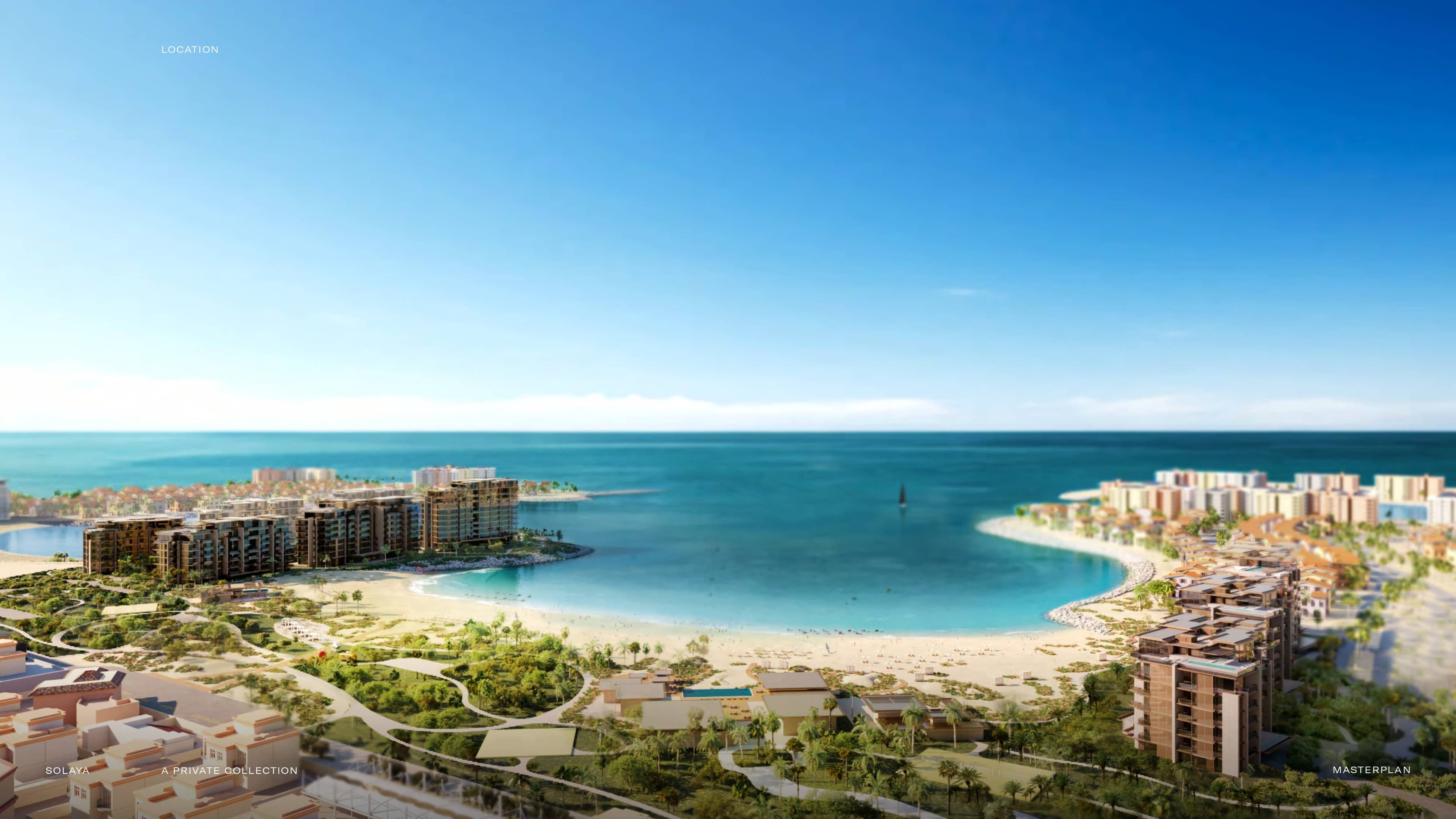
20 / 40 / 40 Payment Plan

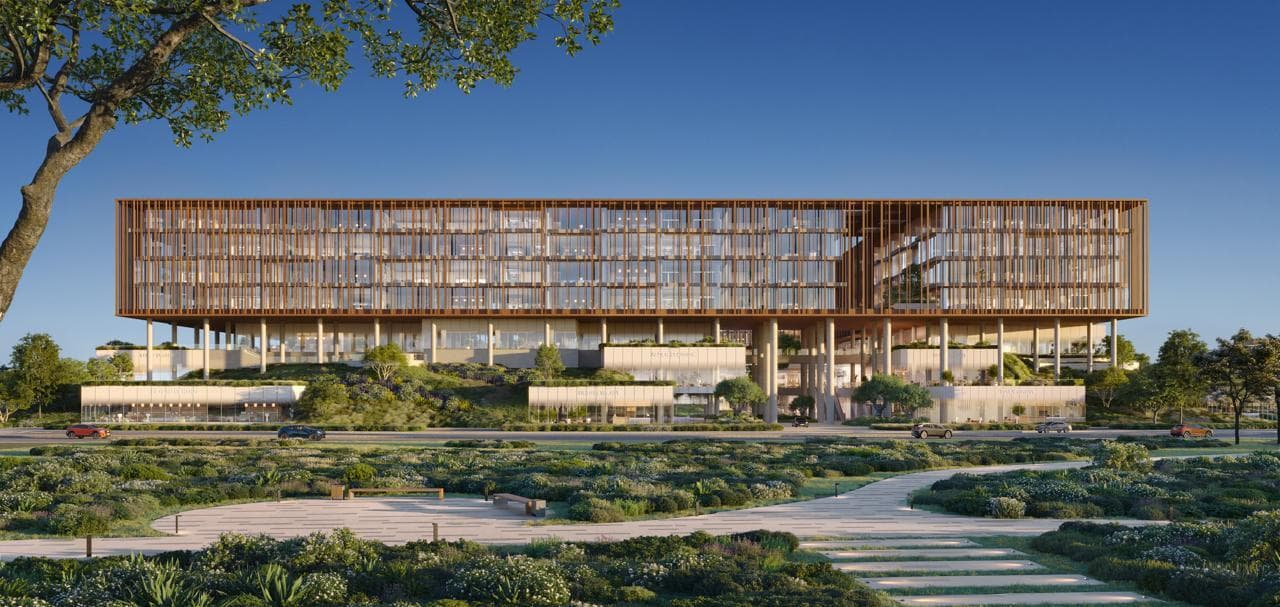
10 / 30 / 60 Payment Plan
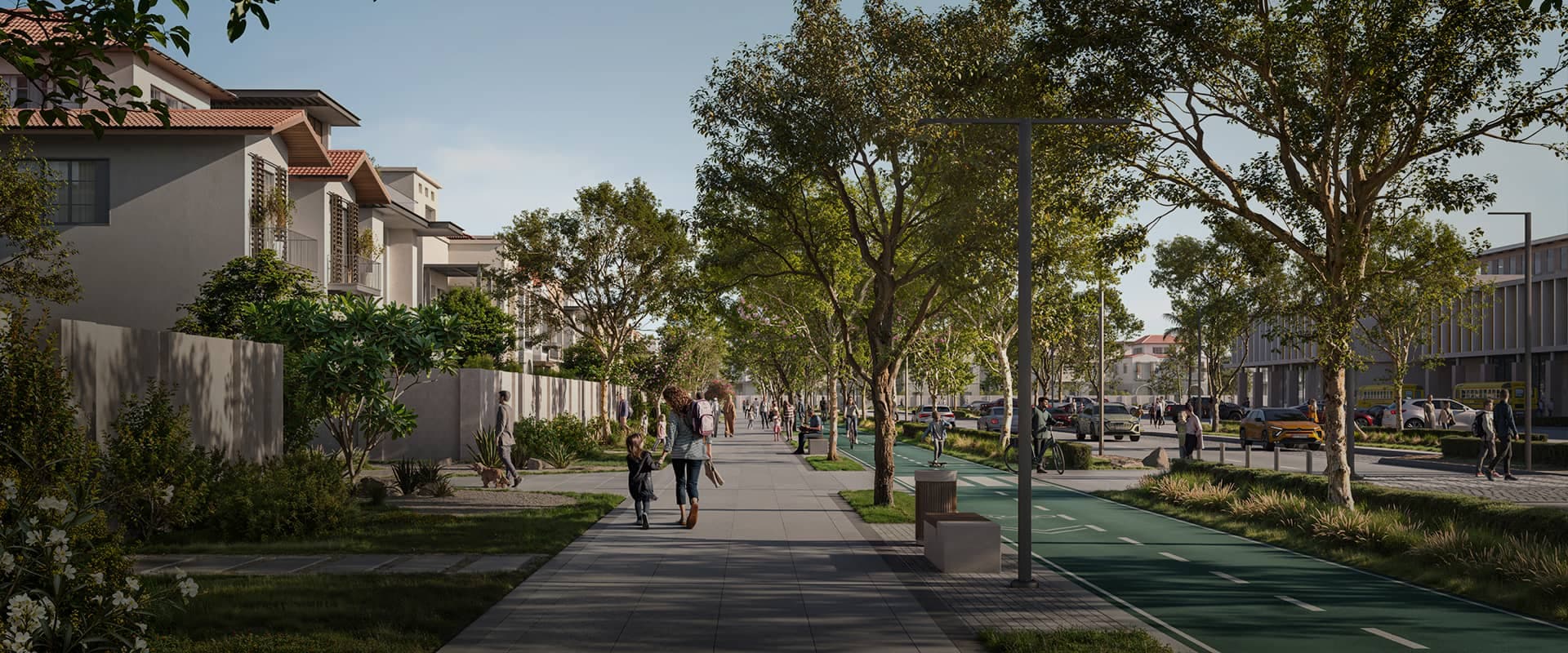

10 / 15 / 75 Payment Plan
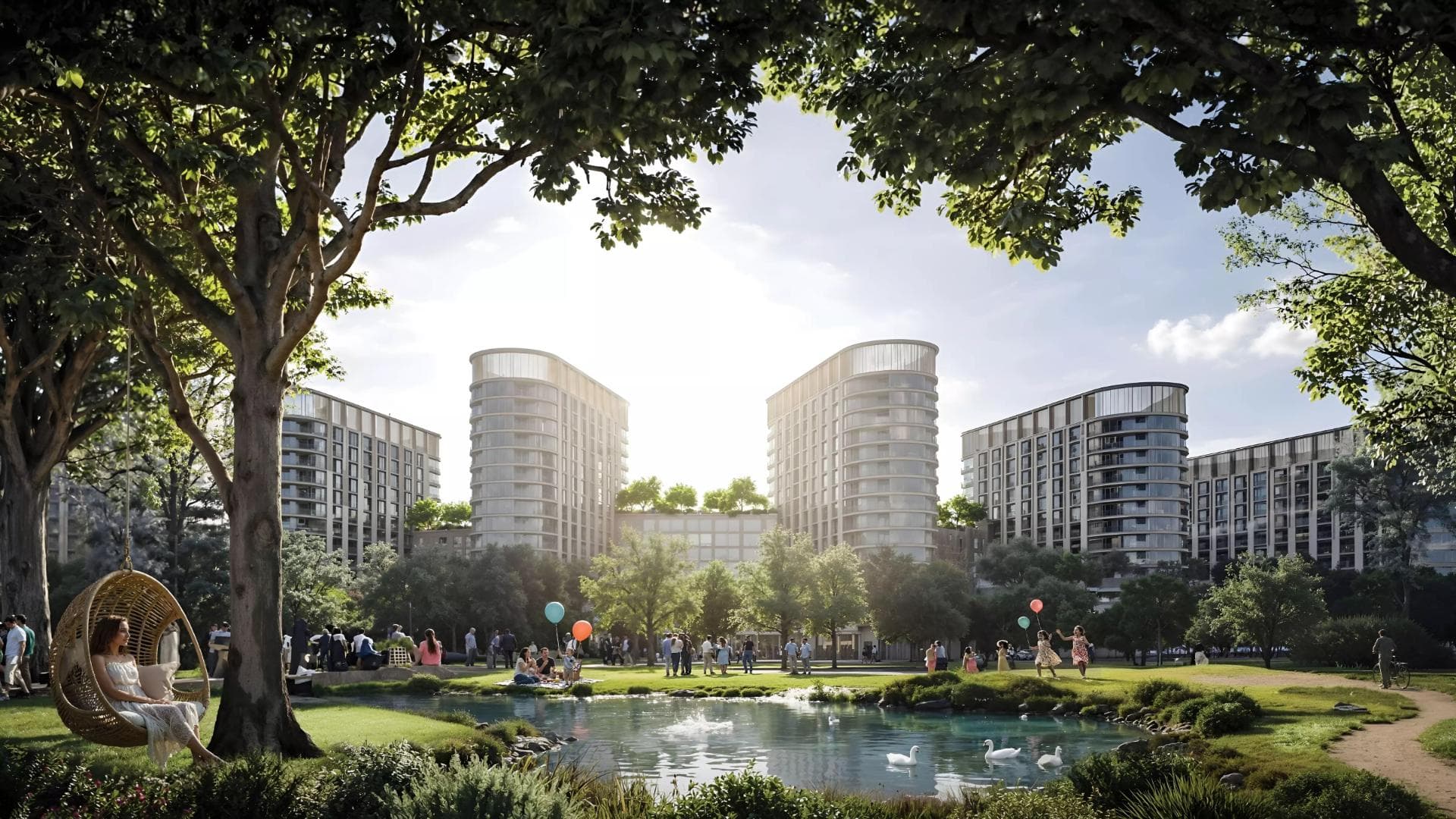
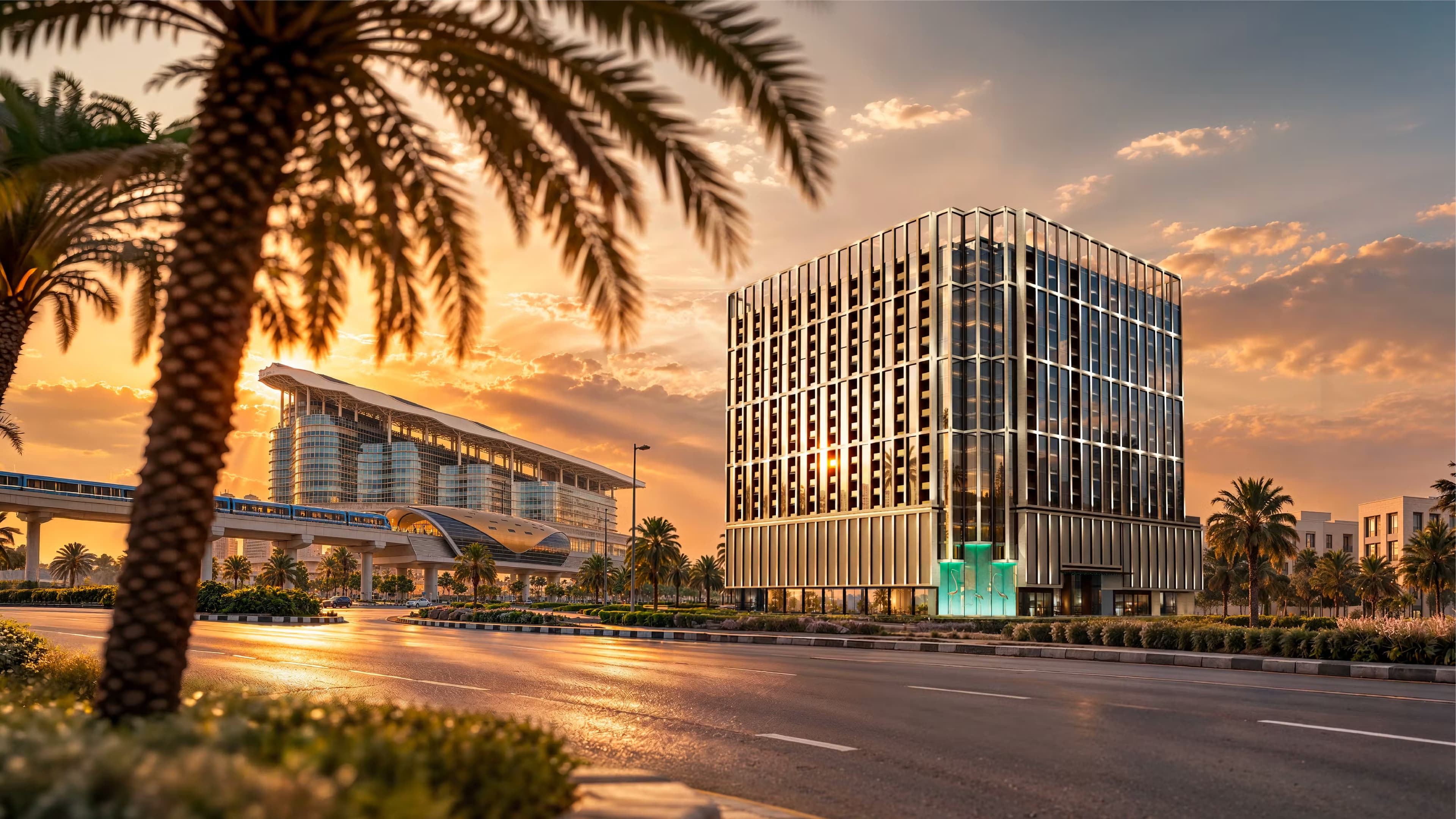
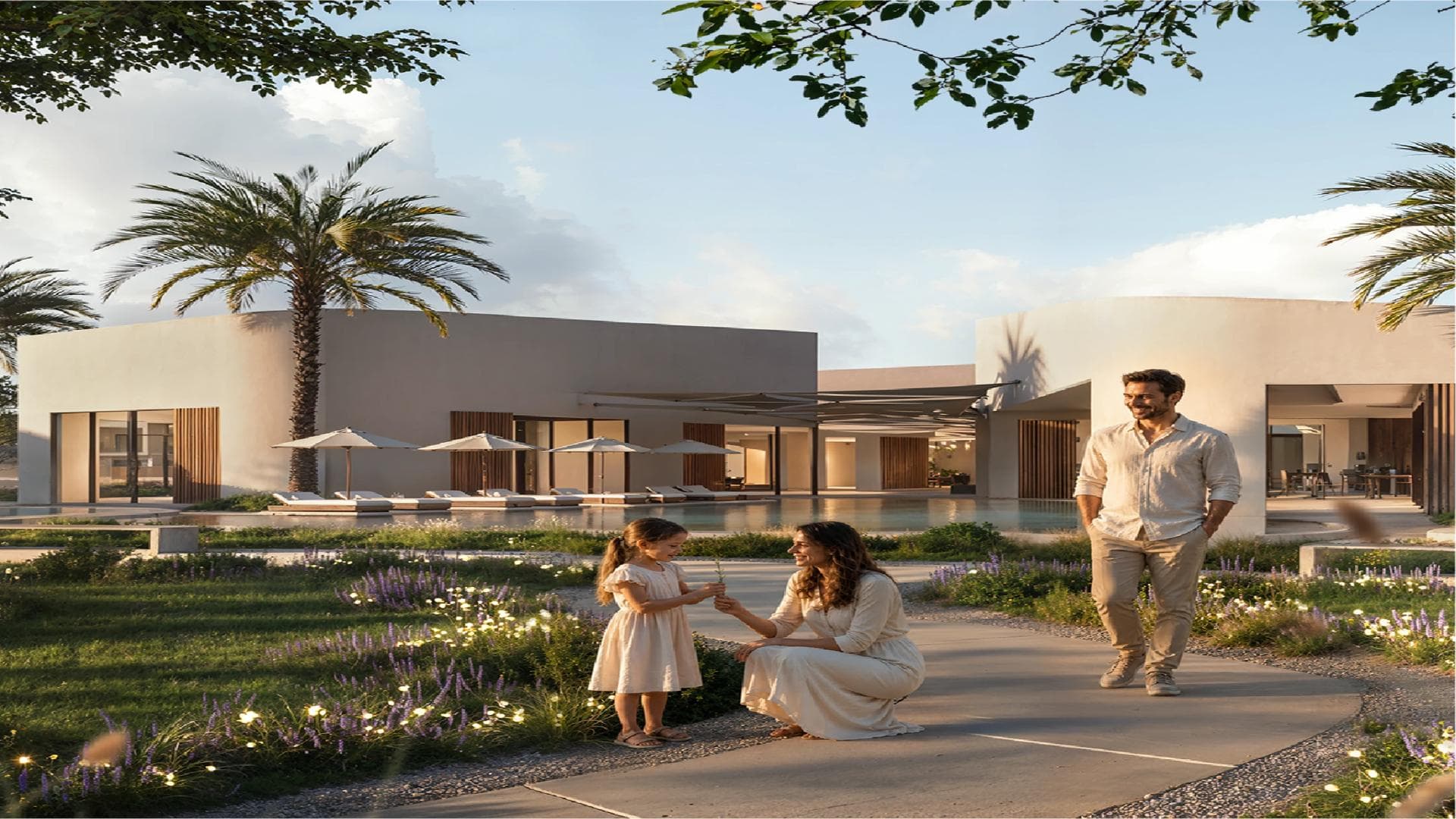
5 / 45 / 50 Payment Plan


10 / 80 / 10 Payment Plan

20 / 40 / 40 Payment Plan

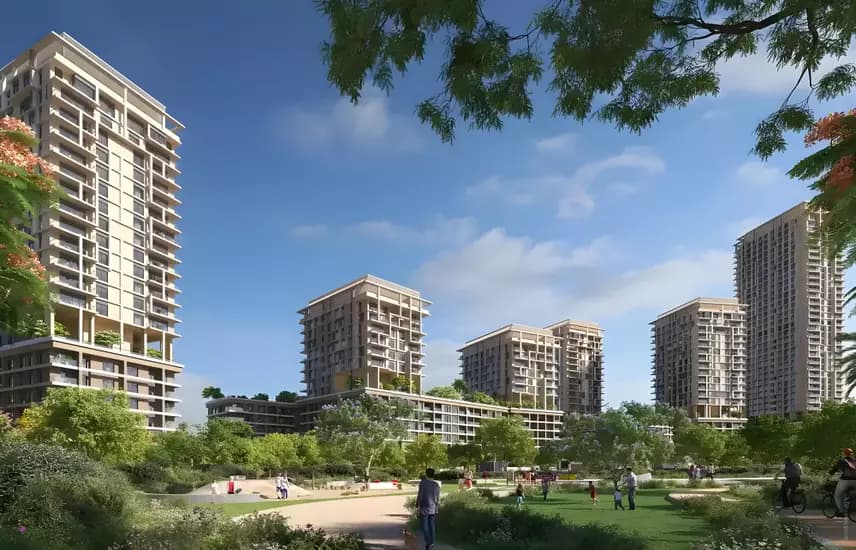
10 / 50 / 40 Payment Plan
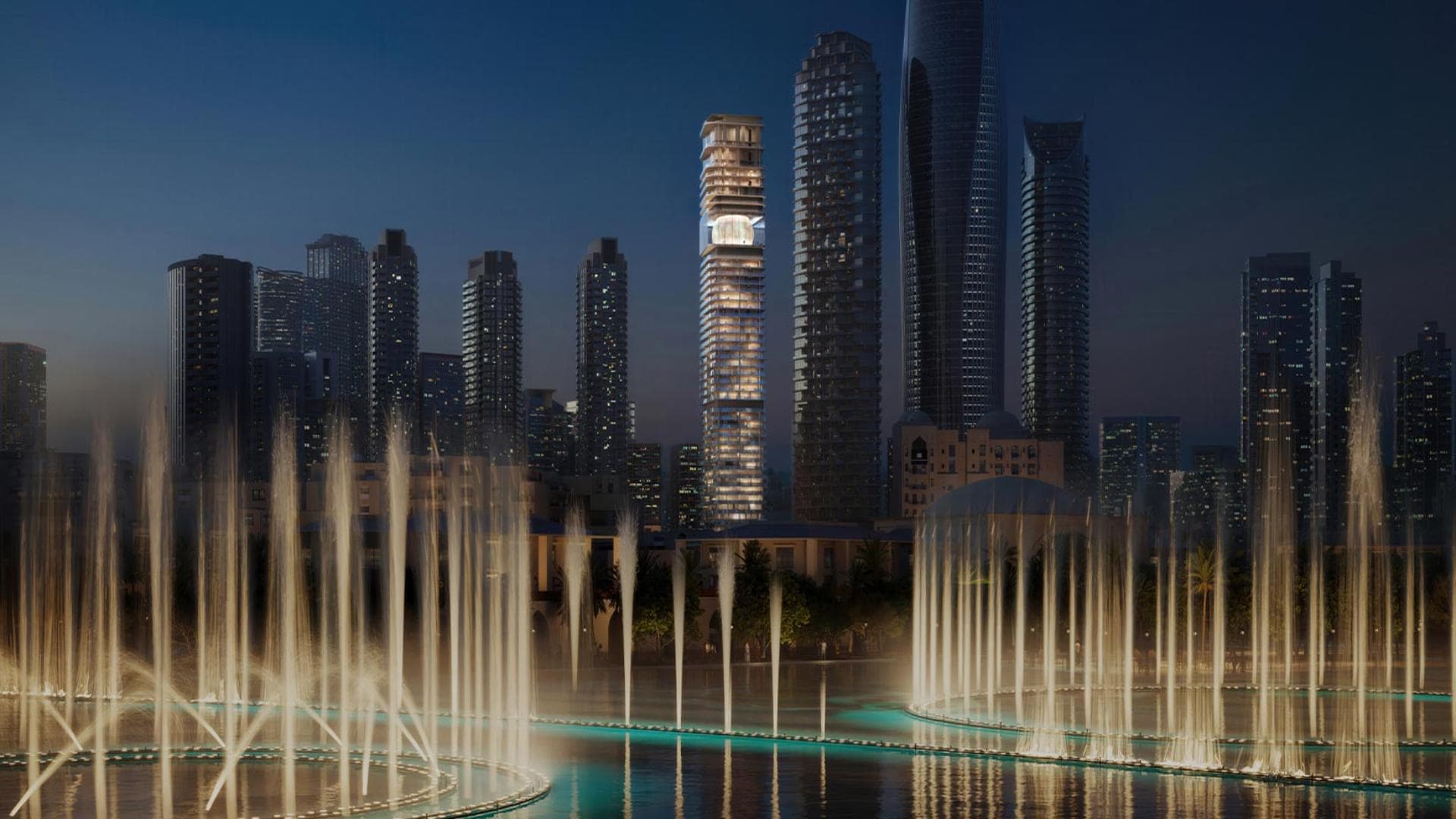
10 / 40 / 50 Payment Plan

20 / 50 / 30 Payment Plan
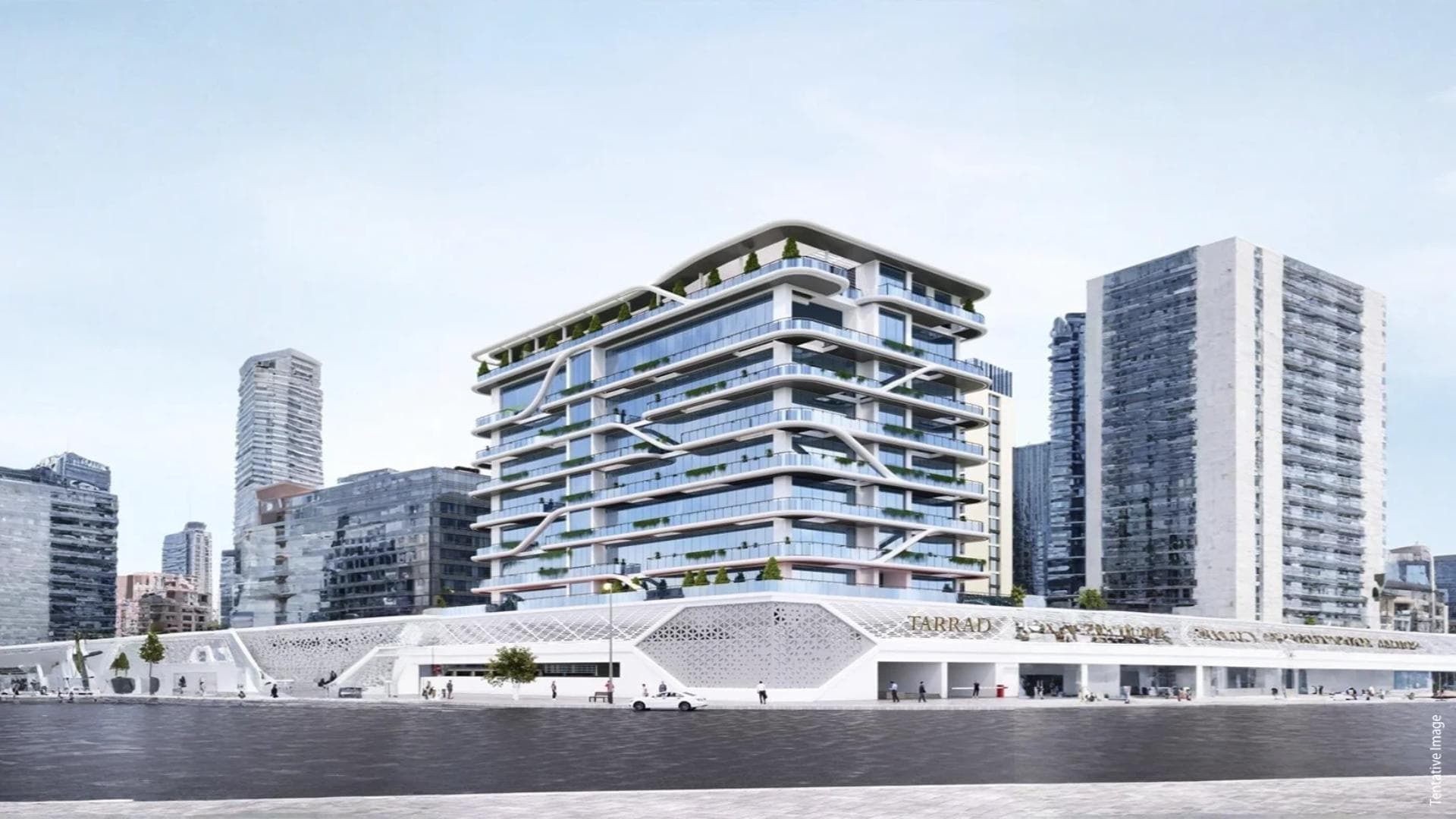
15 / 45 / 40 Payment Plan
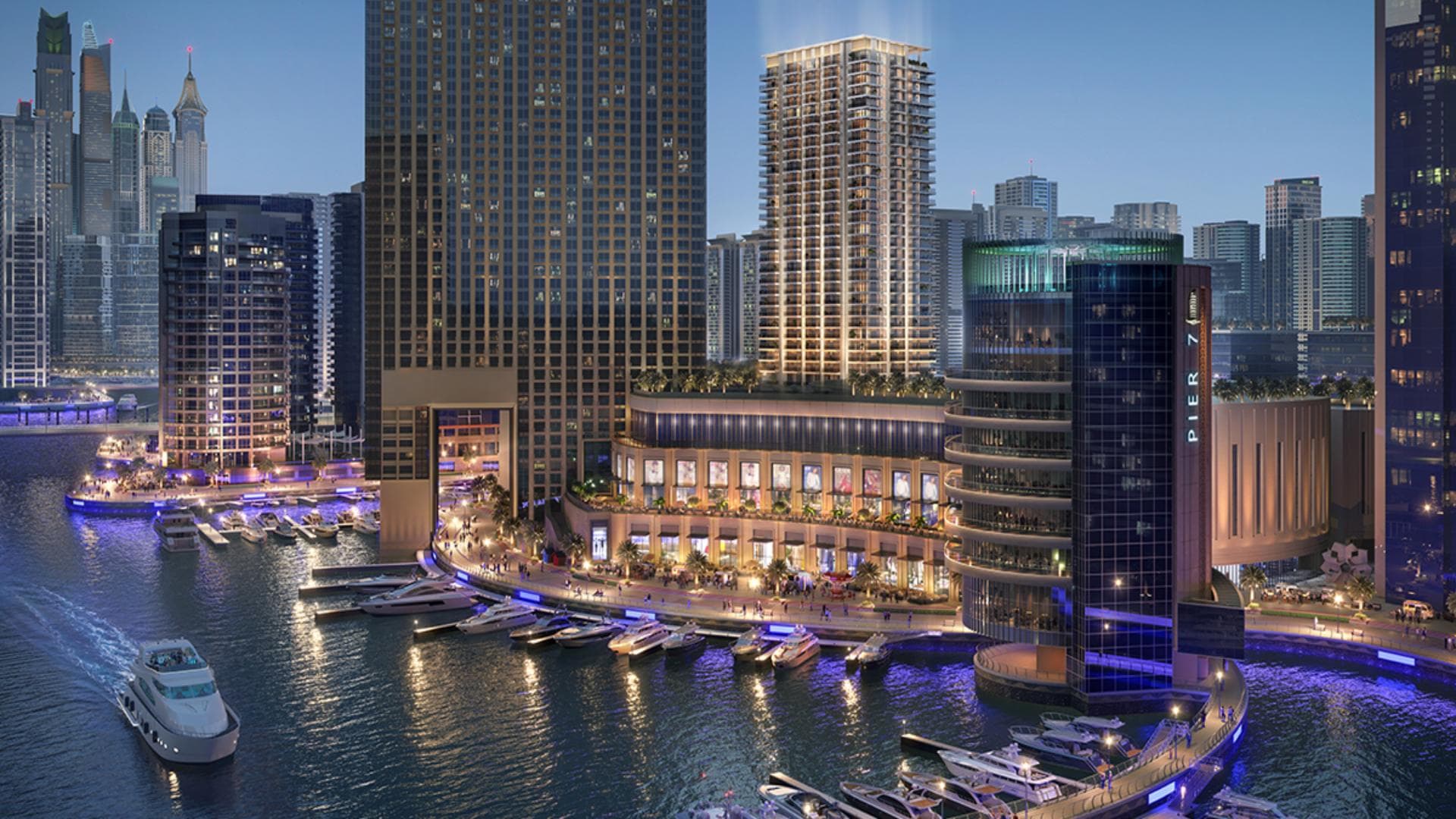
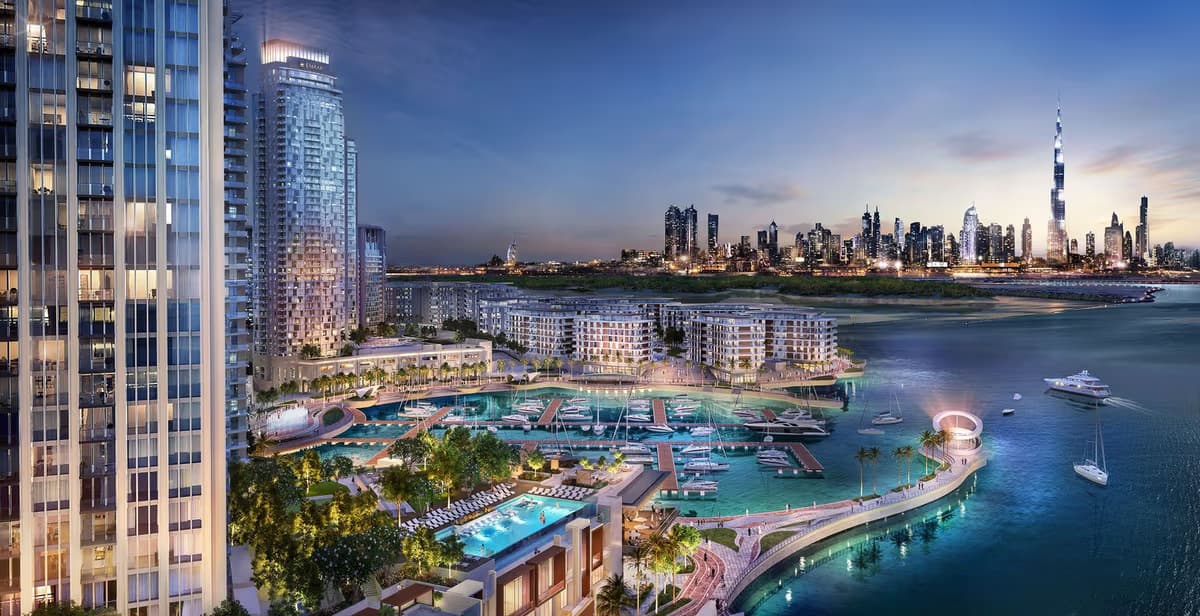
20 / 60 / 20 Payment Plan
Our team
A broker for the community you are buying in
Not a call centre. Each area is covered by brokers who work it every day and know what actually sold, and for how much.
900+BrokersAcross the areas we cover
200+Areas with a dedicated team
24/7ResponseEvery day of the year

Sucheta
Sales Manager

Talal
Property Advisor

Vimbainashe
Property Advisor

Mohamed
Senior Property Advisor

Mitesh
Property Advisor

Ahmad
Property Advisor

Bayrem
Property Advisor

Ali
Associate Director

Rano
Property Advisor

Ghizlane
Property Advisor

Rana
Property Advisor

Anmar Tareq
Property Advisor

Mhammad
Property Advisor

Tolgahan
Team Leader

Muhammad
Property Advisor

Mario
Property Advisor

Mamoun
Property Advisor

Marinda
Property Advisor

Ali
Property Advisor

Walid
Property Advisor

Wafaa
Property Advisor

Abdallah
Property Advisor

Asadbek
Property Advisor

Rasha
Associate Director

Majd
Associate Director

Ammar
Property Advisor

Anjelika
Senior Property Advisor

Ryad
Property Advisor

Muhammad
Property Advisor

Ashish
Property Advisor

Ekram
Property Advisor

Dominyka
Property Advisor

Mahesh
Property Advisor

Khalid
Senior Property Advisor

Sumana
Associate Director

Ahmed
Senior Property Advisor

Karishma
Property Advisor

M. Karim
Senior Property Advisor

Aditya
Property Advisor

Karthika
Property Advisor

Ibrahim
Property Advisor

Balwinder
Property Advisor

Nicola
Property Advisor

Chaima
Property Advisor

Kostas
Property Advisor

Ali
Property Advisor

Umed
Property Advisor

Sameer
Property Advisor

Mohamed
Property Advisor

Khine Wint
Property Advisor

Mohammed
Property Advisor

Laith
Property Advisor

Manuchehr
Property Advisor

Fatima
Senior Property Advisor

Mohamad Basem
Associate Director

Muhammad Rayyaan
Property Advisor

Jehad
Property Advisor

Jonathan
Property Advisor

Kristina
Property Advisor

Khaled
Property Advisor

Charbel
Property Advisor

Faiza
Property Advisor

Fahad
Property Advisor

Mohamed
Property Advisor
Market data
The numbers behind every asking price
We publish what Dubai actually transacts at, from the same land department records the market runs on.
H1 2026 transactions
What Dubai bought in the first half of the year, new-build against resale.
Quarterly market update
Sales volume and value by quarter, across residential, commercial and off-plan.
Yearly market update
The same figures a year at a time, for the longer view of where the market turned.
Supply and completions
What is being handed over, when, and by which developer.
Thinking of selling or letting your property?
We list it where buyers already look, price it against what actually sold nearby, and handle the viewings.
News
What is moving the Dubai market

5 Habits That Protect Your Money When Buying, Selling or Renting Property in Dubai
Key TakeawaysVerify the broker’s registration, agency licence, and official company profile.Use official comp...
Samira Nakhle

Bay Estate Brings a New Chapter of Waterfront Living to Dubai Islands
Key TakeawaysNakheel has launched Bay Estate, a gated waterfront community at Dubai Islands featuring luxury...
fäm Properties

Why Dubai Property Owners Choose fäm Properties
If you own a property in Dubai, you already know that putting it on the market is easy. The difficult part is...
Mohamed Azmie Mohamed Ariff
Market reports
Read the market before you price against it
Every period we cover, from land department records: what sold, for how much, and which way prices moved.
- Yearly Market Report2026Dubai recorded 115,989 sales worth AED 359.35 billion across all property types in 2026 year to date. The yearly snapshot has no precise cutoff and is not a full-year result. The median sale price was AED 1,694/sqft; developer purchases represented 71.6% ofRead the report
- Quarterly Market ReportsQ3, 2026Dubai recorded 29,912 sales worth AED 73.07 billion across all property types in Q3 2026. Sales count fell 49.6% year on year; value fell 57.2%. The median sale price was AED 1,680/sqft; developer purchases represented 69.2% of sales count. New apartment leases hadRead the report
- Quarterly Market ReportsQ2, 2026Dubai recorded 38,257 sales worth AED 110.36 billion across all property types in Q2 2026. Sales count fell 28.2% year on year; value fell 40.5%. The median sale price was AED 1,698/sqft; developer purchases represented 74.8% of sales count. New apartment leases hadRead the report
Guides
How buying, renting and selling works here
Fees, timelines, paperwork and the steps in order — written by the brokers who do it every week.

Buying Guide
How to Buy Property in Dubai

Buying Offplan Guide
How to Buy Off Plan in Dubai

Renting Guide
How to Rent Property in Dubai

Selling Guide
How to Sell Property in Dubai
What our clients say
Every review here was written by someone who bought, sold or rented with us. We publish all of them.
Maro TatesGoogle review FAM family appreciate your support. Many special thanks for Tamara, you were a great help.
Tarek IsmaeelGoogle review Big thanks to Fam.. and especially Tamara for her great cooperation
khosrow ahmadkhaniGoogle review Best and fast Very good experience
peter croneGoogle review Thank you Grace Maguire for all your hard work and information you supplied me with. Excellent customer service and always so polite.
Questions
Buying and investing in Dubai
Property alerts
New listings, before the portals
One email a week with the launches, price moves and off-market homes in the communities you follow.
We send one email a week. Unsubscribe from any of them.